
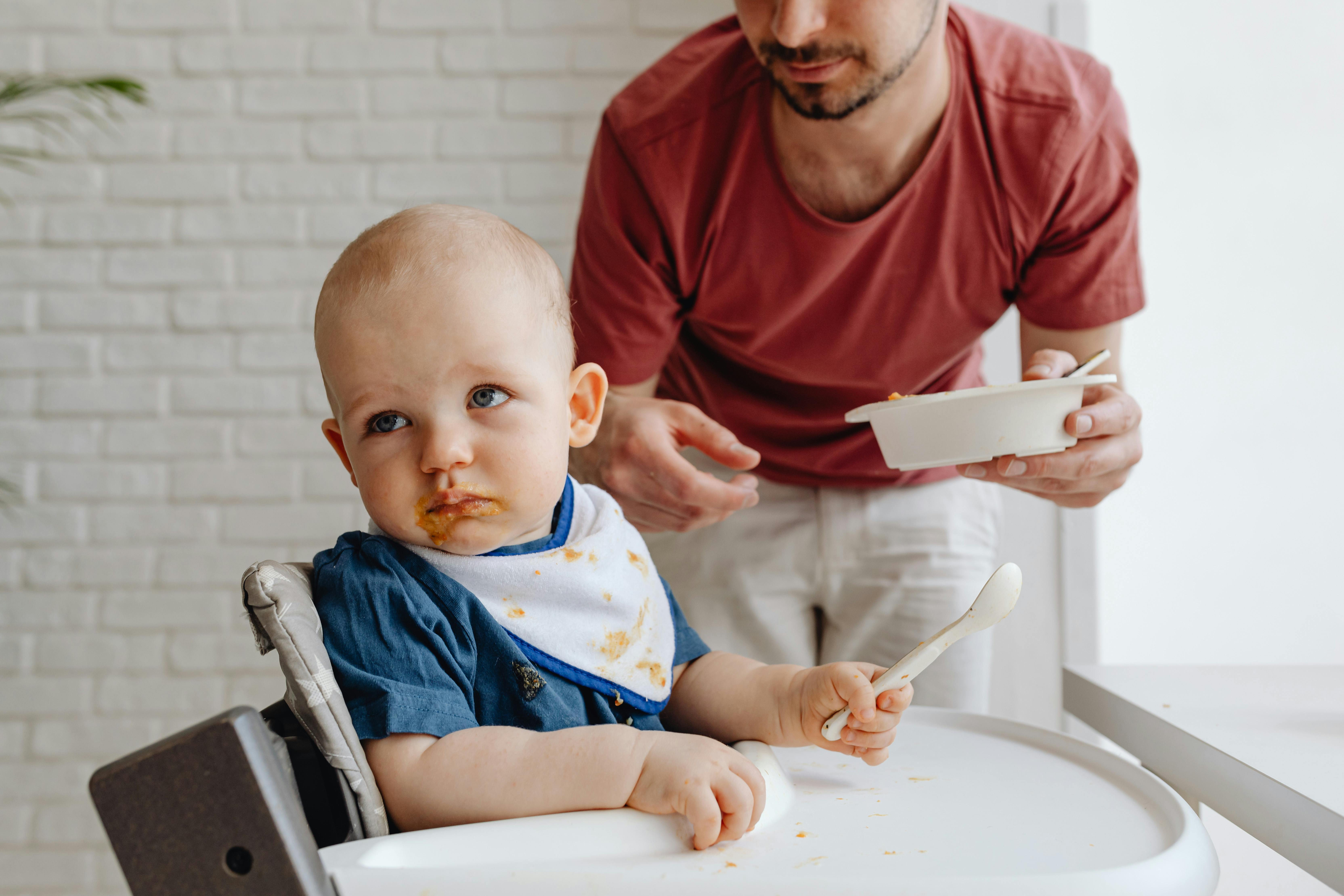
How I went from hiding vegetables to my son asking for more food
When Your Toddler Would Rather Starve Than Eat Beans
Picture this: It’s dinner time, and I’ve spent an hour preparing a nutritious Nigerian meal. There’s rice, a rich tomato stew with hidden vegetables, and perfectly seasoned beans on the side.
My toddler takes one look at his plate, picks out every single piece of onion, pushes the beans to the edge, and announces: “I want bread, Mommy.”
Just. Bread.
If you’re a mom dealing with a picky eater toddler, you know this frustration intimately. The food refusals, the mealtime battles, the worry that your child isn’t getting enough nutrition. I’ve been there, mama. And I’ve tried everything.
Singing and dancing while holding a spoon (I looked ridiculous). The airplane technique (he wasn’t impressed). Blending vegetables into sauces so he couldn’t see them (he somehow always knew). Bribing with juice packs (worked once, failed forever after). Even grinding fish and beef into his meals, which worked… until it didn’t.
But then I discovered something so simple, I almost couldn’t believe it worked. And it worked immediately.

The Parenting Hack That Changed Our Mealtimes Forever
I stumbled upon this technique almost by accident. One evening, exhausted from another mealtime battle, I sat down with my plate and just started eating. I wasn’t performing, wasn’t coaxing, wasn’t even looking at my son.
I just ate my food. Enjoyed it. Made casual “mmm” “delicious” sounds because, honestly, the food was good.
And then something magical happened.
My son, who had been refusing that same food on his plate, reached over and took a piece from MY plate. Then another. Before I knew it, he was eating the very food he’d pushed away moments before.
The secret? I modeled the behavior without pressure.
This is what child development experts call “observational learning” or modeling. Research published in The Journal of Law, Medicine & Ethics confirms that children develop eating behaviors by watching and imitating their parents. When we eat and enjoy a variety of foods ourselves, we provide a powerful model for our children to follow.
But here’s what the research doesn’t tell you: HOW to actually make this work in real life with a strong-willed Nigerian toddler who has already decided that bread is the only acceptable food group.
My Picky Eater’s Hall of Shame (Foods He Absolutely Refused)
Before I share exactly how to implement this technique, let me be real about what I was dealing with. My son’s “no” list included:
- Beans (any type, any preparation)
- Broccoli (wouldn’t even let it touch his plate)
- Custard (too “slimy” apparently)
- Oatmeal (the texture was a deal-breaker)
- Pasta (unless it was swimming in ketchup)
- Milk (would only consider it with cereal)
- Any visible onions (he’d pick them out like a tiny food inspector)
- Any vegetables he could see (which is why I became a blending expert)
The only thing he consistently wanted? Bread. Morning, noon, and night. If it were up to him, he’d live on bread alone.
Sound familiar?
How to Use Modeling to Get Your Toddler Eating (Step-by-Step)
Here’s exactly how I make this technique work, based on what has succeeded in our home:
Step 1: Set Up Family Mealtime (No Distractions)
We eat together as a family. No TV, no tablets, no distractions. Just us, our food, and conversation.
My son actually leads us in prayer before meals now, which is the sweetest thing. This family mealtime ritual creates a positive food environment and gives him multiple people to observe eating.
Pro tip: If your child usually eats alone or before you, shift your schedule so you can eat simultaneously. This is crucial for modeling to work.
Step 2: Give Everyone the Same Food
Put the same food on your plate that’s on your toddler’s plate. No separate “kid meals.” If you’re eating jollof rice with vegetables, they get jollof rice with vegetables.
This was a mindset shift for me because I was so used to preparing “special” versions of meals for my son.
Step 3: Eat Your Food First (And Enjoy It!)
Here’s the game-changer: Start eating before you focus on your child.
Take bites. Chew. Show genuine enjoyment. Say things like “This pepper soup is so good” or “I love these vegetables.” But don’t perform or exaggerate – kids can smell fake enthusiasm from a mile away.
I keep my reactions natural and authentic. Sometimes I’ll close my eyes while chewing something delicious, or make satisfied sounds. Not for show, but because I genuinely enjoy my food.
Step 4: Let Curiosity Do the Work
Don’t tell your toddler to eat. Don’t coax, bribe, or pressure. Just continue eating your food like it’s the most natural thing in the world.
This is the hardest part for us as moms because we want to fix it, control it, make sure they eat. But the pressure is exactly what makes kids resist.
When I stopped pressuring my son, something shifted. His curiosity kicked in. “Why is Mommy enjoying that food so much? Maybe I should try it.”
Step 5: Allow Them to Take Food From Your Plate
This is key! When my son started reaching for food from my plate (even though he had the exact same thing on his), I let him take it.
There’s something about eating “Mommy’s food” that makes it more appealing. The food from my plate tastes better, apparently. I don’t question it – I just go with it.
Step 6: Stay Neutral and Patient
Whether they eat or don’t eat, keep your reaction neutral. No celebration for eating, no frustration for refusing.
“Oh, you tried the beans! Okay.” Not “YAY! GOOD JOB! YOU’RE SUCH A BIG BOY!” (Trust me, that pressure backfires.)

What Worked (And What Didn’t) In My Journey
Success Stories:
The Milk Breakthrough: Remember how I said my son refused plain milk? I started giving him cereal with milk. Eventually, he began drinking the leftover milk from the bowl. Now he actually asks for milk! Sometimes the path to acceptance isn’t direct.
The Fish Experiment: I blended fish into sauces, and for a while, it worked. He was getting protein without knowing it. Eventually, he caught on and refused it, but by then, I’d discovered the modeling technique and didn’t need to hide food anymore.
The Prayer Ritual: My son now initiates prayer before meals. This creates a positive mealtime atmosphere and gives him ownership over the eating experience. It’s not about the food – it’s about the ritual and connection.
What Didn’t Work:
Entertainment Eating: All those songs and dances? Exhausting and ineffective. I was teaching him that eating requires a performance, which isn’t sustainable or healthy.
The Airplane Spoon: He was not impressed. Not even a little bit.
Excessive Blending: While blending vegetables worked temporarily, I realized I was teaching him to avoid vegetables rather than accept them. It was a band-aid, not a solution.
Bribing with Treats: “If you eat your vegetables, you can have juice!” This taught him that vegetables are the punishment and juice is the reward. Terrible lesson.
Always Letting Him Choose: When I asked “What do you want to eat?” the answer was always bread. Every single time. Bread for breakfast, lunch, and dinner if I’d allowed it.
My Biggest Mistake (That You Can Avoid)
Here’s what I wish I’d known sooner: I was limiting our family’s food variety because of my son’s pickiness.
We stuck to the same Nigerian dishes we knew he’d tolerate. Rice and stew. Fried plantain. Yam. I wasn’t experimenting with new recipes or trying different cuisines because I was so worried about wasting food he wouldn’t eat.
But this created a cycle: he never developed a taste for variety because he was never exposed to it.
When I started cooking different recipes – trying new preparations, exploring other cuisines, introducing foods prepared in various ways – something changed. Not immediately, but gradually. He saw us enjoying diverse foods, and his palate began to expand.
The lesson: Don’t limit your family’s menu because of your toddler’s current preferences. Keep exposing them to variety through your own plate.
How to Handle Different Picky Eating Scenarios
When They Pick Vegetables Out of the Meal
My son does this constantly. He’ll carefully pick out every piece of onion and set it aside like he’s performing surgery.
What works: I stopped cutting vegetables into obvious chunks. Instead, I:
- Dice them very finely so they blend into the dish
- Roast vegetables until they’re sweet and caramelized
- Mix them into rice or stew so thoroughly they’re less visible
- Let him see ME eating and enjoying those same visible vegetables
Eventually, he started eating some vegetables that remained visible because he saw they weren’t going to hurt him.
When They Only Want One Food (Like Bread!)
If your child would eat bread (or biscuits, or rice) for every meal, you’re not alone.
What works:
- Serve bread alongside other foods, but don’t make it the main course
- Use bread as a vehicle for other foods (spread avocado, egg, mashed or porridge beans on it)
- Gradually reduce the bread portion while increasing other foods
- Model eating the other foods first before touching the bread
I had to be firm: “We’re having this for lunch today. Bread is for breakfast.” Consistency matters.
When Traditional Foods Are Rejected
Nigerian foods can be texture-heavy and strongly flavored, which some toddlers find overwhelming.
What works:
- Adjust spice levels for their developing palate
- Introduce traditional foods in smaller, less intimidating portions
- Pair familiar foods with new ones
- Make mealtimes about family and culture, not just nutrition
My son now eats foods he initially rejected because he associates them with happy family meals, not battles.

A Realistic Week of Modeling Meals
Here’s what a typical week looks like now in our home:
Monday:
- Breakfast: Bread with scrambled eggs (he sees me eating the eggs enthusiastically)
- Lunch: Jollof rice with chicken and diced vegetables (I eat mine first, he eventually tries his)
- Dinner: Yam porridge with fish (he picks at it, I don’t pressure)
Tuesday:
- Breakfast: Cereal with milk (our breakthrough food!)
- Lunch: Beans and plantain (I enjoy mine, he tries a few bites from my plate)
- Dinner: Pasta with tomato sauce and hidden vegetables (he accepts pasta now!)
Wednesday:
- Breakfast: Pap with milk (I drink mine, he follows)
- Lunch: Fried rice with vegetables (he eats around some veggies, but eats most)
- Dinner: Pepper soup with potatoes (I emphasize how warming and good it is)
Thursday:
- Breakfast: Bread with avocado spread (new food I’m introducing)
- Lunch: Rice and stew with chicken (comfortable meal, he eats well)
- Dinner: Moi moi (steamed bean pudding – still working on this one)
Friday:
- Breakfast: Oatmeal with banana (I model eating it, he tries a few spoons)
- Lunch: Jollof spaghetti (he loves this!)
- Dinner: Grilled fish with vegetables (I eat with obvious enjoyment)
Weekend:
- More relaxed, but always modeling. Sometimes we cook together, which increases his interest in the food.
Notice: Not every meal is a success. Some foods he tries, some he ignores. But there’s no pressure, no battle, and gradually, his acceptance grows.
Combining Modeling with Other Gentle Techniques
The modeling technique works even better when combined with these strategies:
1. Limited Choice (Not Free-For-All)
Instead of “What do you want to eat?” (Answer: bread), I ask: “Do you want rice or yam for lunch?”
This gives him autonomy without letting him default to his comfort food every time.
2. Involving Him in Food Prep
When he helps wash vegetables, stir the pot (safely), or set the table, he’s more invested in eating the meal.
3. Positive Food Language
I never say “You won’t like this” or “This is yucky.” Instead: “This is new, you might need to try it a few times to decide if you like it.”
4. The “One Bite Rule” (Without Pressure)
Sometimes I’ll casually say, “You can try just one bite to see how it tastes.” Not as a demand, but as an invitation. If he refuses, I drop it.
5. Making Food Fun (Without Performing)
I’ll arrange food in interesting ways or use colorful plates, but I’m not doing a song and dance. The fun is in the presentation, not the coercion.
When Modeling Doesn’t Work Immediately (Troubleshooting)
“I’ve tried this for three days and nothing changed!”
Patience, mama. This isn’t a magic wand – it’s a gradual shift. Some kids take weeks or even months to start accepting new foods. Keep modeling consistently without expectation.
“My child refuses to even sit at the table with us.”
Start small. Can they sit for five minutes? Build from there. Make mealtime pleasant, not stressful. No lectures about food.
“They still won’t touch vegetables.”
That’s okay. Keep eating your vegetables with enjoyment. Eventually, curiosity will win. In the meantime, offer vegetables in different forms – raw, cooked, pureed, roasted – and see if any preparation is more acceptable.
“My partner doesn’t eat vegetables either, so how can we model?”
This is tricky but honest. Your child will learn from what they see. Maybe it’s time for the whole family to expand food horizons together? Make it a family journey, not just a toddler issue.
“What if they’re genuinely hungry but still refusing?”
Offer a small portion of a safe food alongside the new food. Don’t let them go hungry, but don’t create a separate meal either. Maybe it’s a piece of bread with their dinner, but not instead of dinner.
The Science Behind Why This Works
Here’s what’s actually happening in your toddler’s brain when you model eating:
Mirror Neurons: Children have specialized brain cells that fire when they watch someone else perform an action. When they see you eating and enjoying food, their brain processes it as if they’re doing it too.
Social Learning: Toddlers are hardwired to imitate trusted adults. When you eat without pressure or performance, you’re showing them this is normal, safe, and enjoyable behavior.
Reduced Pressure: When there’s no expectation to eat, the power struggle disappears. Without the battle, many kids naturally become more curious and willing to try foods.
Repeated Exposure: Research shows children may need to see a food 10-15 times before accepting it. Modeling provides consistent, non-threatening exposure.
Positive Association: When meals are pleasant family time rather than stressful battles, children develop positive associations with eating and trying new foods.
Beyond the Dinner Table: Creating a Positive Food Environment
This technique is just one piece of a bigger puzzle. Here’s what else helps:
Keep Regular Meal and Snack Times
Toddlers thrive on routine. When they know meals happen at consistent times, they come to the table hungry and ready to eat.
Limit Snacking Before Meals
If they’ve filled up on biscuits an hour before dinner, of course they won’t eat! I learned to protect meal times by limiting pre-meal snacks.
Don’t Use Food as Reward or Punishment
“Be good and you’ll get ice cream” or “No dessert because you didn’t finish your vegetables” creates unhealthy food relationships.
Respect Their Appetite
Some days toddlers are hungry, some days they’re not. Growth spurts affect appetite. As long as their pediatrician says they’re healthy, trust their hunger cues.
Make Mealtimes About Connection
We talk, laugh, pray together. My son tells us about his day (in his toddler way). Food is part of the experience, not the whole focus.

Real Talk: This Won’t Fix Everything Overnight
I need to be honest with you, mama. Even with this technique, my son still:
- Picks onions out of his food
- Refuses beans more often than he accepts them
- Would choose bread over anything else if given the choice
- Has days where he barely eats anything
But here’s what HAS changed:
- Mealtimes are no longer battles
- He’s trying foods I never thought he’d touch
- He’s developing a healthier relationship with food
- I’m not stressed and exhausted after every meal
- He’s learning that food is about nourishment and family, not control
The goal isn’t to have a toddler who eats everything perfectly. The goal is to raise a child who has a healthy, positive relationship with food. And modeling is the most powerful tool I’ve found to do that.
Your Action Plan: Starting This Week
Ready to try this? Here’s your simple action plan:
This Week:
- Commit to at least one family meal per day where everyone eats together
- Put the same food on everyone’s plate
- Eat your food first and enjoy it (no performing!)
- Allow your child to take food from your plate if they want
- Stay neutral about whether they eat or not
This Month:
- Continue daily modeling at meals
- Gradually introduce one new food per week through your own plate
- Experiment with different preparations of refused foods
- Note any patterns – which foods are they becoming more curious about?
- Celebrate small wins privately (don’t make a big deal in front of your child)
This Season:
- Expand your family menu – cook new recipes, try different cuisines
- Involve your toddler in simple food prep
- Take the pressure off yourself – this is a marathon, not a sprint
- Trust the process and your child’s natural curiosity
You’re Not Alone in This, Mama
If you’re reading this while watching your toddler push away another carefully prepared meal, I see you. I’ve been there. I’ve cried over wasted food. I’ve worried about nutrition. I’ve felt like a failure because my child won’t eat vegetables.
But here’s what I’ve learned: Picky eating is a phase for most toddlers, not a permanent condition.
Your job isn’t to force your child to eat. Your job is to:
- Offer nutritious food regularly
- Model healthy eating habits
- Create positive mealtime experiences
- Trust your child’s ability to learn and grow
The rest will come with time, patience, and consistency.
What’s Working in Your Home?
I’d love to hear from you! Have you tried the modeling technique? What’s your biggest mealtime challenge right now? What foods does your toddler refuse no matter what you try?
Drop a comment below and let’s support each other through this phase. Because we’re all in this together, and sometimes just knowing you’re not alone makes all the difference.
Related: [Realities of Postpartum Body: Beyond the Obvious – because motherhood changes us in ways we never expected]
Leave a Reply